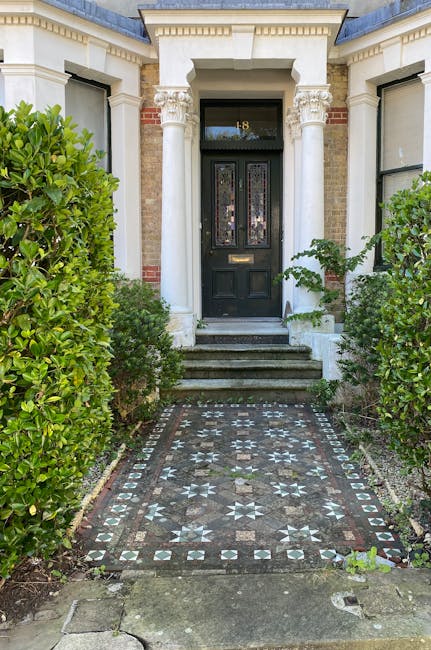
Crouch End garden services for flats in N8 top checklist

Living in a flat in Crouch End can be brilliant, but outdoor space can become one of those things you half-enjoy and half-worry about. A shared courtyard that needs tidying, a small balcony planter that dries out too quickly, or a communal garden that everyone assumes someone else is looking after... yes, it happens all the time. This guide to Crouch End garden services for flats in N8 top checklist is here to make the whole thing simpler, calmer, and a lot more practical.
Whether you manage a block, sit on a residents' committee, or just want your balcony and shared greenery to look cared for without endless faff, the right approach makes a real difference. Below you'll find a clear checklist, service options, common mistakes, compliance points, and the sort of day-to-day detail that helps you choose well. No fluff. Just useful guidance.
Why Crouch End garden services for flats in N8 top checklist Matters
Flats are different from houses in one simple way: the outdoor space is often shared, compact, awkwardly shaped, or tied to multiple people's expectations. That can make garden care feel strangely political. One person wants a wild, softer look; another wants crisp lines and low maintenance; someone else just doesn't want moss on the paving. A proper checklist helps cut through that.
In Crouch End and across N8, outdoor areas for flats are often small but highly visible. A tidy entrance garden, a clean patio, or well-kept planters can change how the whole property feels. It affects first impressions, yes, but also daily use. You notice it on a damp morning when the path is clear, or in late afternoon when the planting looks healthy instead of exhausted.
Good garden services are not only about making things look neat. They also protect surfaces, reduce trip hazards, improve drainage, and stop small problems becoming expensive ones. That might mean pruning back something overgrown before it blocks a window, clearing leaves before they block gullies, or keeping planted areas alive through a dry spell. Simple things, but they add up.
Key point: for flats, garden care is part appearance, part upkeep, and part shared responsibility. Miss one of those and the whole space feels off.
How Crouch End garden services for flats in N8 top checklist Works
For most flat-based properties, garden services start with an assessment of what actually exists. That sounds obvious, but you'd be surprised how often nobody has written down what needs doing. A compact rear courtyard needs a very different plan from a shared front garden, and a balcony with containers needs a different kind of maintenance again. The process usually begins with a site visit, followed by a schedule based on seasonal demand and access.
In practice, the service may include mowing, hedge trimming, weeding, border tidy-ups, leaf clearance, pressure-light cleaning of hard surfaces where appropriate, planting replacement, and green waste removal. Some buildings only need a monthly tidy. Others need weekly attention in spring and summer, then less frequent visits in the colder months. Truth be told, the best plan is rarely the flashiest one; it's the one that matches the space.
For flats, access matters a lot. Can tools be carried through a shared hallway? Is there a side gate? Does the work need to be timed around residents? These are the small logistical details that make a service smooth rather than annoying. A decent provider thinks about them before the first cut of grass, not after.
If you want to see the wider range of outdoor work that can support a flat building, the services overview is a sensible place to start. It gives a broader picture before you decide which parts of your space need attention most.
Key Benefits and Practical Advantages
The benefits of structured garden care for flats are more practical than glamorous, and that's exactly why they matter. You get a cleaner-looking space, but also less stress, fewer complaints, and fewer surprises. Let's face it, no one enjoys discovering a bramble patch has taken over the rear corner because nobody quite knew whose job it was.
- Better shared living: outdoor areas feel more welcoming and usable for residents.
- Lower upkeep pressure: regular maintenance prevents bigger jobs later.
- Safer surfaces: leaves, algae, and uneven growth can create slips or trip risks.
- More consistent appearance: flats often depend on shared presentation, especially at entrances.
- Clearer responsibilities: a checklist reduces confusion between landlords, leaseholders, and residents.
- Healthier planting: steady care usually helps beds, pots, and lawns recover better through the seasons.
There is also a quieter benefit: better mood. A neat little planted space outside a block can make coming home feel nicer. Nothing dramatic. Just enough. A bit of green goes a long way, especially in a busy London setting where you may be opening your front door into pavement, traffic, and the usual city noise within seconds.
If the site has tired shrubs, overgrown borders, or cluttered beds, it may be worth looking beyond maintenance alone. In some cases, a refresh through landscape gardening can make the layout work better for flat living rather than simply keeping the old layout alive.
Who This Is For and When It Makes Sense
This kind of service is for anyone responsible for shared or semi-shared outdoor space attached to flats. That includes freeholders, managing agents, leaseholder groups, landlords, resident associations, and private owners of ground-floor flats with a small garden. It also suits people who have a balcony or terrace that needs regular care but not full-scale landscaping.
You may need it if:
- the garden is shared between multiple flats;
- the space looks tired between seasons;
- residents keep reporting weeds, litter, or overgrowth;
- the property needs better kerb appeal for letting or sale;
- there are slippery paths, blocked drains, or poor visibility near entrances;
- the planting has become inconsistent because nobody is maintaining it properly.
It also makes sense when the property has a mixed-use pattern. For example, some blocks only need seasonal work, but a front-facing courtyard near a busy road may need more frequent attention because of leaf fall, dust, and general wear. Crouch End has that lived-in, leafy feel that people love, but greenery can turn unruly quickly if it is left alone.
And if you are trying to understand pricing or compare what different garden jobs tend to cost, a useful read is the real cost of gardeners in Crouch End N8. It gives you a more grounded starting point before you request quotes.
Step-by-Step Guidance
If you want a smooth process, use a simple sequence. Nothing fancy. Just a sensible order that helps you avoid muddle later.
1. Identify the exact outdoor spaces
Start by listing every outdoor area attached to the flats: entrance beds, rear courtyard, side passage, lawn strip, roof terrace, balcony planters, or communal pots. It sounds basic, but clarity here saves arguments later. Make a note of what is actually there, not what people think is there.
2. Decide what "good" looks like
Some blocks want a polished, low-maintenance look. Others prefer more planting and a softer, greener feel. That matters because maintenance changes with the style. A formal hedge and clipped edging needs different care from a wildlife-friendly border. Both can work. They just need different expectations.
3. Set the service frequency
Weekly, fortnightly, monthly, seasonal? The answer depends on growth, access, and budget. Grass and fast-growing hedges usually need more frequent visits during spring and early summer. In winter, the schedule often shifts. Not every month needs the same level of attention, which is a relief for most budgets.
4. Match the service to the site
Do not ask for lawn mowing if the area has no lawn. Do not order a heavy clearance if the issue is mostly deadheading and weeding. A good provider should suggest the right mix rather than pushing a one-size-fits-all package. That's a decent sign, honestly.
5. Agree on access and communication
Make sure everyone knows when the work will happen, how access will be gained, and who gets notified if the team finds a problem. Broken sleepers, dying shrubs, poor drainage, or pest damage are easier to deal with when they are flagged early. Otherwise the job becomes a surprise, and nobody loves that.
6. Review the results after the first few visits
Check whether the schedule is working. Are the paths clear? Are the plants healthy? Does the space feel balanced rather than overcut? A small tweak after one or two visits is normal. In our experience, this is where the best long-term results come from: a little adjustment, not a total overhaul.
For ongoing upkeep, many flat properties benefit from garden maintenance rather than one-off reactive work. It keeps the space tidy without letting issues build up in the background.
Expert Tips for Better Results
Here are the details people often miss. Small things, but they matter more than they first appear.
- Choose low-maintenance plants for exposed spots: if a courtyard gets wind, shade, or reflected heat, some plants will struggle no matter how well you care for them.
- Think in layers: a mix of structure, seasonal colour, and evergreen planting usually looks better than one flat row of identical shrubs.
- Keep the edges crisp: even a modest garden looks more cared for when edges are neat. It is one of those tiny changes that reads as quality.
- Plan for green waste: if the site gets regular pruning or clearance, waste removal needs to be part of the service, not an afterthought.
- Watch drainage around entrances: standing water near a flat building is never just cosmetic. It can become slippery and unpleasant quickly.
- Do a seasonal reset: spring and autumn are ideal moments to reassess planting, pruning, and overall condition.
One practical tip that often gets overlooked: use containers deliberately, not randomly. A few well-placed pots can soften hard edges and make a small communal area feel more intentional. Too many pots, though, and it starts to feel cluttered. Balance is the trick. Not glamorous, but absolutely true.
If your building has hedges, privacy screening, or overhang from neighbouring greenery, it may be worth planning hedge trimming as part of the routine rather than waiting until visibility or light becomes a problem.
Common Mistakes to Avoid
Most problems with flat garden care are not dramatic. They are ordinary. A little neglect here, a delayed decision there, and suddenly the space looks worse than it should. The good news? Most of these mistakes are easy to avoid once you know what to look for.
- Leaving responsibility vague: if nobody is clearly in charge, the space deteriorates faster than anyone expects.
- Choosing the cheapest option without scope: a low quote can be fine, but only if it clearly includes the actual work required.
- Ignoring access issues: a team that cannot get tools in and out efficiently will struggle to work neatly.
- Letting one-off jobs replace routine care: tidy-ups are useful, but they do not replace maintenance.
- Overplanting small spaces: too much greenery can make a flat garden feel cramped and difficult to maintain.
- Forgetting seasonal timing: pruning, mowing, planting, and clearance all have better and worse moments through the year.
There is also a subtle mistake that happens a lot: confusing "looks tidy today" with "is being maintained properly". A fresh cut can hide deeper issues. Bare patches, compacted soil, or poor drainage still need attention. If you only ever treat the symptoms, the same problems come back. Annoying, but predictable.
Tools, Resources and Recommendations
Most flat garden jobs need practical tools rather than anything exotic. The right kit depends on the site, but a few items come up again and again.
| Need | Typical approach | Why it helps |
|---|---|---|
| Regular upkeep | Maintenance visits with basic hand tools, mowers, trimmers, and waste bags | Keeps the space neat without disrupting residents |
| Thick overgrowth | Clearance work before maintenance begins | Resets the site so routine care can work properly |
| Lawns or grassed areas | Scheduled mowing and edging | Prevents patchy, uneven growth and improves appearance |
| Hedges and screening | Trimming and shaping at the right time of year | Maintains privacy, light, and neat boundaries |
| Planting refresh | Replacement plants, compost, and mulching where suitable | Improves long-term health and appearance |
For heavier jobs, a proper garden clearance may be the most sensible first step. That is especially true where a flat garden has been neglected through a whole season or more. Trying to maintain overgrowth without clearing it first usually ends in frustration.
If the space includes larger woody growth or anything that has become unsafe or unmanageable, you may also need to consider tree lopping and removal. That should always be handled carefully and in line with the site's actual conditions, not as a casual add-on.
A useful additional thought: if sustainability matters to the residents, ask how green waste is handled and whether recyclable materials are separated where possible. Some blocks care about this a lot; others just want the job done cleanly. Both are fair.
Law, Compliance, Standards, or Best Practice
For flat properties, compliance is usually less about one dramatic rule and more about doing things properly and safely. If a managing agent or landlord is involved, there may be duties around maintaining common areas in a safe condition. Exact obligations can vary depending on the property structure, lease terms, and who controls the land, so it is worth checking the paperwork rather than assuming.
Best practice usually includes:
- working safely around residents and visitors;
- keeping access routes clear during work;
- managing tools and equipment responsibly;
- disposing of green waste appropriately;
- reducing slip, trip, and cut risks;
- being mindful of noise and timing, especially in shared buildings.
Insurance matters too. If work is being carried out in communal areas, it is sensible to know whether the provider has appropriate cover and whether their health and safety processes are documented. That is not being fussy. It is just sensible adult behaviour, really.
If you need reassurance on operational standards, the pages on insurance and safety and the health and safety policy can help you understand the kind of safeguards a careful service should have in place. For payment handling and admin expectations, the payment and security page is also worth a look.
Options, Methods, or Comparison Table
Not every flat garden needs the same type of service. Here is a simple comparison that helps make the choice a bit less murky.
| Service type | Best for | Pros | Watch-outs |
|---|---|---|---|
| One-off tidy-up | Neglected spaces, move-in prep, or pre-sale presentation | Fast improvement, useful reset | Won't prevent future build-up |
| Scheduled maintenance | Shared gardens, entrances, and planted areas needing regular care | Consistent look, easier budgeting | Needs clear scope and frequency |
| Seasonal work | Spaces that only need spring/autumn attention | Good for lighter-use areas | Can leave gaps if growth is faster than expected |
| Redesign or landscaping | Tired, awkward, or overcomplicated outdoor layouts | Can fix usability and reduce future labour | Higher upfront commitment |
If the garden is mostly about routine care, maintenance usually wins. If the space keeps fighting you, then a redesign may actually save hassle in the long run. That's the bit people sometimes miss. Not every problem is a mowing problem.
Case Study or Real-World Example
Imagine a small block in N8 with a front planting strip, a narrow side passage, and a modest communal rear courtyard. The residents want the front to look welcoming, the side route to stay clear, and the courtyard to remain usable without turning into a mini jungle every six weeks. Fair enough.
At first, the group asks for a general tidy-up. It works for about a month. Then the weeds return, a couple of shrubs start blocking light, and leaves build up in the corners by the bin area. The problem was not the effort. It was the lack of structure.
After a proper assessment, the site is split into three tasks: regular light maintenance for the front strip, seasonal pruning and clearing for the side access, and monthly courtyard upkeep with occasional planting refresh. The result is not dramatic in a showy way. It is better because it stays better. The space feels calmer, easier to use, and less like a recurring argument.
And that's often the real win with flat gardens. Not perfection. Just consistency.
Practical Checklist
Use this checklist before booking or reviewing Crouch End garden services for flats in N8 top checklist. It helps you keep the discussion practical rather than vague.
- List every outdoor area attached to the flats.
- Identify whether the space is communal, private, or mixed use.
- Decide what level of finish you want: basic tidy, polished, or more landscaped.
- Note any access limits, gate codes, narrow passages, or resident timing issues.
- Check whether the main issues are mowing, pruning, weeding, clearance, or planting.
- Ask how waste will be removed and where it will go.
- Confirm whether the provider has appropriate insurance and safety procedures.
- Agree on visit frequency and seasonal changes.
- Set a review date after the first visit or first month of work.
- Keep a simple record of what has been done and what still needs attention.
Quick expert summary: the best flat garden service is the one that fits the site, respects residents, and keeps the space steadily under control. If it only looks good on day one, that is not enough.
For a more cost-conscious approach, you can compare options and service scope against the guidance on pricing and quotes. It helps turn vague guesswork into a more informed decision.
Conclusion
Choosing Crouch End garden services for flats in N8 top checklist is really about matching the right kind of care to a shared or compact space. That means thinking beyond looks alone. The best results come from clear responsibilities, practical scheduling, safe working, and a maintenance plan that fits the way people actually live.
Whether you need a light touch-up for a courtyard, reliable help with communal planting, or a more complete reset for an overgrown area, the same principle applies: make the work easy to repeat, easy to understand, and easy to keep up. That is how a flat garden stays pleasant instead of becoming another thing to manage.
Get a free quote today and see how much you can save.
And if you are still weighing up the best approach, take your time. A well-kept outdoor space has a quiet way of improving everyday life, one small visit at a time.
Frequently Asked Questions
What does garden services for flats usually include in Crouch End?
It usually includes mowing, hedge trimming, weeding, border tidying, leaf clearance, pruning, planting refreshes, and green waste removal. For flats, the exact mix depends on whether the space is a communal garden, entrance area, courtyard, or balcony planting scheme.
How often should a flat garden in N8 be maintained?
That depends on growth and use. Busy communal gardens often need fortnightly or monthly visits in the growing season, while smaller or slower-growing spaces may only need seasonal attention. The right schedule is the one that prevents the site from slipping into neglect.
Is one-off garden clearance enough for a flat property?
Sometimes, yes, if the area has only become untidy temporarily. But if the space is shared or grows quickly, one-off clearance usually needs to be followed by a regular maintenance plan. Otherwise the same problems return before long.
Can garden services help with small balconies or roof terraces?
Yes, although the work is different from a ground-level garden. The focus is usually on container care, pruning, watering plans, deadheading, and keeping surfaces clean and safe. Heavy work or waste handling may be more limited because of access.
What should I ask before hiring a gardener for a block of flats?
Ask what is included, how often visits will happen, how waste is removed, whether they have insurance, and how they handle access. It also helps to ask how they approach seasonal changes, because flat gardens rarely need the same work all year round.
How do I know if my flat garden needs redesign rather than maintenance?
If the space is awkward to use, constantly overgrown, hard to access, or expensive to maintain without looking much better, redesign may be the better option. Maintenance keeps a good layout in shape; redesign fixes a layout that is working against you.
Are there any safety issues to think about in communal gardens?
Yes. Slippery paving, overgrown paths, hidden trip hazards, blocked drainage, and unstable branches all matter. It is wise to treat safety as part of garden care, not a separate issue. That way problems are spotted earlier and handled properly.
What is the difference between garden maintenance and garden clearance?
Garden maintenance is ongoing care: mowing, trimming, weeding, and general upkeep. Garden clearance is more of a reset, usually for neglected or overgrown spaces. Many flat properties need clearance first, then maintenance afterwards.
Do shared flat gardens need resident agreement before work starts?
Usually, yes, at least in some form. The exact process depends on ownership, lease terms, and who manages the site. It is best to make sure everyone understands what will be done, when it will happen, and how it affects access or use.
How can I keep costs under control without letting the garden slide?
Start with the highest-impact tasks first: access routes, entrances, overgrowth, and any safety issues. Then build a realistic schedule rather than paying for overly frequent work that the site does not need. Clear scope is the big one here.
What is the best season to begin a maintenance plan?
Spring is often a natural starting point because growth picks up and the benefits are easy to see. That said, autumn can also be a smart time to reset after summer and prepare for leaf fall. The best start date is simply the one that gets the space back under control.
Can sustainability be part of flat garden care?
Yes. You can look at composting, sensible planting choices, reduced waste, and better recycling of green waste where possible. It does not need to be complicated. A few thoughtful choices often make a noticeable difference over time.